Dream Interpretation Psychology
Dream interpretation psychology aims to understand the unconscious mind by deciphering the content of dreams. Freud proposed that all dream systems are based on transference, in which an unconscious wish is attached to a conscious thought. This theory states that dreams are not revealed to achieve a conscious goal, but to resolve an inner conflict. In fact, Freud was one of the first psychologists to claim that dream interpretation is the royal road to knowledge of the unconscious mind’s activities.
Jung was an early practitioner of dream interpretation psychology and warned against the pitfalls of blindly assigning meaning to dreams. He recognized the universality of archetypal symbols, yet contrasted this with the concept of the sign, which connotes a one-to-one relationship between the image and its meaning. The difference between the two was that Jung encouraged his patients to explore the personal significance of the symbols in their own dreams, rather than just the broader symbolic meanings. Thus, he emphasized the importance of “sticking to the image” and the subjective aspect of dream analysis.
There are a number of books on dream interpretation psychology available. Most of these books are written by authors with little or no experience of dream interpretation. However, it is important to note that they are not comprehensive and are intended to be a fun read. Some of them are just horoscopes for dream analysis, and are not meant to be taken seriously. You must experiment with them on your own to determine their meanings and how they affect your life.
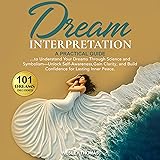
Dream Interpretation: A Practical Guide to Understand Your Dreams Through Science and Symbolism - Unlock Self-Awareness, Gain Clarity, and Build Confidence for Lasting Inner Peace
$15.09 (as of March 17, 2026 00:35 GMT +00:00 - More infoProduct prices and availability are accurate as of the date/time indicated and are subject to change. Any price and availability information displayed on [relevant Amazon Site(s), as applicable] at the time of purchase will apply to the purchase of this product.)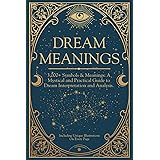
Dream Meanings: Dictionary of 3,000+ Symbols & Meanings, Understand and Interpret your Dreams: A Mystical and Practical Guide to Dream Interpretation and Analysis (Paths Through the Dreamworld)
$29.90 (as of March 17, 2026 00:35 GMT +00:00 - More infoProduct prices and availability are accurate as of the date/time indicated and are subject to change. Any price and availability information displayed on [relevant Amazon Site(s), as applicable] at the time of purchase will apply to the purchase of this product.)
The Power of Your Dreams: A Guide to Hearing and Understanding How God Speaks While You Sleep
$17.99 (as of March 17, 2026 00:35 GMT +00:00 - More infoProduct prices and availability are accurate as of the date/time indicated and are subject to change. Any price and availability information displayed on [relevant Amazon Site(s), as applicable] at the time of purchase will apply to the purchase of this product.)
Belonging: Remembering Ourselves Home
$18.65 (as of March 17, 2026 00:35 GMT +00:00 - More infoProduct prices and availability are accurate as of the date/time indicated and are subject to change. Any price and availability information displayed on [relevant Amazon Site(s), as applicable] at the time of purchase will apply to the purchase of this product.)
The Ultimate Guide to Understanding the Dreams You Dream: Biblical Keys for Hearing God's Voice in the Night
$19.59 (as of March 17, 2026 00:35 GMT +00:00 - More infoProduct prices and availability are accurate as of the date/time indicated and are subject to change. Any price and availability information displayed on [relevant Amazon Site(s), as applicable] at the time of purchase will apply to the purchase of this product.)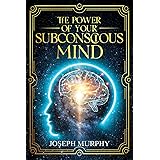
The Power of Your Subconscious Mind
$12.99 (as of March 17, 2026 00:35 GMT +00:00 - More infoProduct prices and availability are accurate as of the date/time indicated and are subject to change. Any price and availability information displayed on [relevant Amazon Site(s), as applicable] at the time of purchase will apply to the purchase of this product.)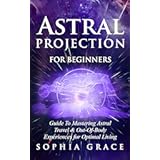
Astral Projection for Beginners: Guide to Mastering Astral Travel & Out-Of-Body Experiences for Optimal Living
$3.99 (as of March 17, 2026 00:35 GMT +00:00 - More infoProduct prices and availability are accurate as of the date/time indicated and are subject to change. Any price and availability information displayed on [relevant Amazon Site(s), as applicable] at the time of purchase will apply to the purchase of this product.)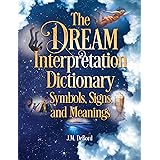
The Dream Interpretation Dictionary: Symbols, Signs, and Meanings
$14.20 (as of March 17, 2026 00:35 GMT +00:00 - More infoProduct prices and availability are accurate as of the date/time indicated and are subject to change. Any price and availability information displayed on [relevant Amazon Site(s), as applicable] at the time of purchase will apply to the purchase of this product.)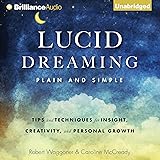
Lucid Dreaming, Plain and Simple: Tips and Techniques for Insight, Creativity, and Personal Growth
$15.82 (as of March 17, 2026 00:35 GMT +00:00 - More infoProduct prices and availability are accurate as of the date/time indicated and are subject to change. Any price and availability information displayed on [relevant Amazon Site(s), as applicable] at the time of purchase will apply to the purchase of this product.)